
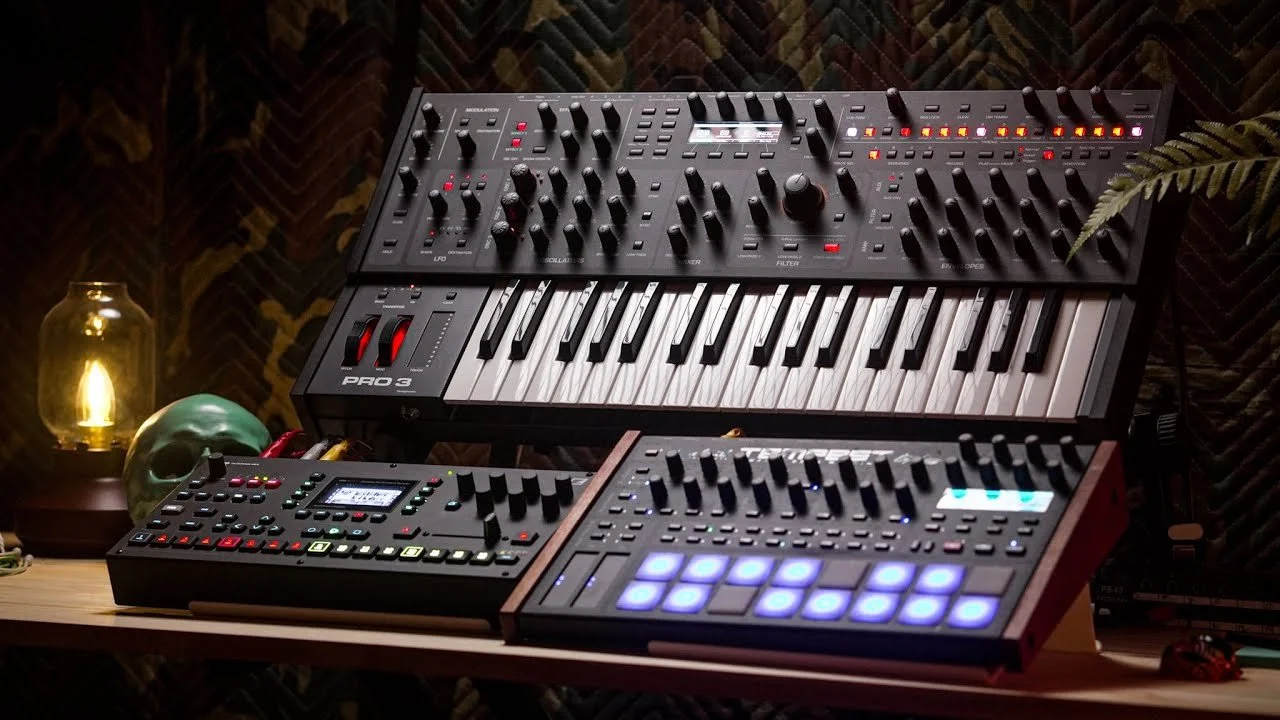
My first weapon of choice was the ASR-10 (Advanced Sampling Recorder). I picked one up in 1996 from Pro Sound Music & Lighting, a popular music store in Westminster, CA. At the time, the Akai MPC 3000 and the E-mu SP-1200 were widely used, and I knew several beatmakers who owned one or the other. Unlike these two “drum samplers,” the ASR-10 featured a 61- or 88-key keyboard instead of drum pads, making it more of a workstation than a traditional drum machine. It came with a built-in hard drive and a SCSI port for connecting an external Zip drive.
What made the ASR-10 special was its integration of Ensoniq’s signature synthesizer architecture and a built-in digital effects processor. It even allowed users to record vocals directly to its internal hard drive, making it a true production powerhouse. Legendary producers like RZA, Kanye West, Timbaland, and The Neptunes have all used the ASR-10 to craft iconic beats.
Within the realm of hip-hop production, samplers have played a pivotal role in shaping the genre’s sound and evolution. These devices allow producers to capture, manipulate, and rearrange snippets of audio, crafting new compositions from existing recordings. This guide delves into the history of samplers, their functionality, and highlights the top five hardware samplers in 2025.
The Evolution of Sampling in Hip-Hop Origins: The Birth of Sampling
Sampling emerged in the late 1970s, rooted in the innovative techniques of hip-hop DJs in the Bronx. Pioneers like DJ Kool Herc would isolate instrumental breaks from funk and soul records, looping them to create extended dance segments. This practice laid the foundation for hip-hop’s rhythmic backbone.
In 1979, another pioneering rap group, The Sugarhill Gang, found success with their hit song Rapper’s Delight, which famously sampled Good Times by the funk group Chic. The track became the first rap single to reach the Billboard Top 40, marking a significant moment for hip-hop and its mainstream recognition.
As technology advanced, these manual methods evolved into more sophisticated sampling techniques, allowing for greater creativity and complexity in music production.
The 1980s: The Rise of Sampling Technology
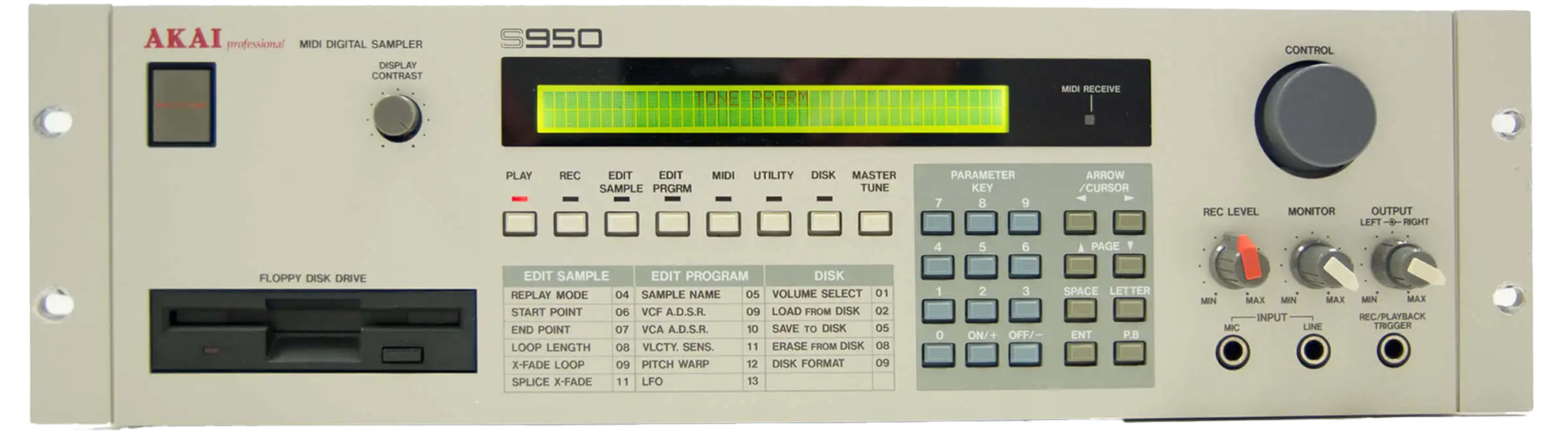
The 1980s marked a significant shift with the introduction of affordable samplers. Devices like the E-mu SP-1200 and the Akai MPC series revolutionized music production. The SP-1200, with its distinctive “gritty” sound, became a staple among East Coast producers during hip-hop’s golden age. Similarly, the Akai MPC series offered integrated sampling and sequencing capabilities, empowering producers to craft intricate beats and arrangements. These tools democratized music production, enabling artists to experiment with sounds in unprecedented ways.
Legal Implications and Cultural Impact
As sampling gained prominence, legal challenges surrounding intellectual property rights began to emerge. High-profile lawsuits in the 1990s led to stricter regulations and the requirement for sample clearance.
In 1991, the late rapper Biz Markie—known for his humorous, lighthearted rap songs that often incorporated samples—was sued for using several bars from Gilbert O’Sullivan’s 1972 hit Alone Again (Naturally). Unlike previous cases that were typically settled out of court, the judge ruled against Biz Markie, finding him guilty of copyright infringement. As a result, he was ordered to pay $250,000 in damages, and his label, Warner Bros., was barred from continuing to sell the single or album.
This landmark decision not only damaged Biz Markie’s career but also permanently changed the landscape of sampling in hip-hop. Despite these legal hurdles, sampling remained a core element of the genre, reflecting its spirit of innovation and cultural storytelling. Producers began digging deeper into obscure records, searching for unique sounds to incorporate into their music, further enriching hip-hop’s sonic identity.
